

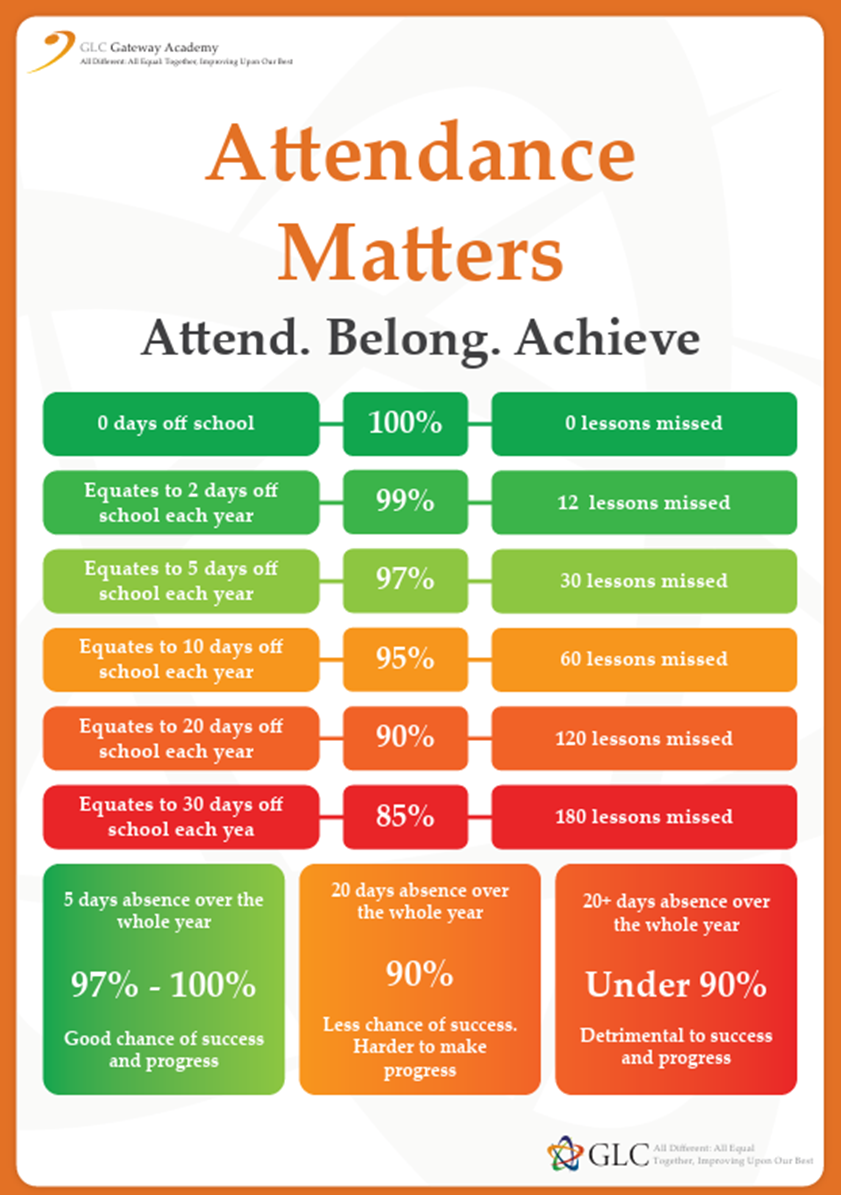
Attendance
Attend. Belong. Achieve
The Importance of Attending
At Gateway Academy, we believe that excellent attendance is the foundation for giving every child the best possible start in life. Our aim is for every student to attend school every day, with a target of 100% attendance.
Education is about far more than academic achievement. It is also about developing the knowledge, skills and character needed to thrive in education, employment and life. Through regular attendance, students build resilience, professionalism, aspiration, teamwork and a strong sense of belonging.
Attending school every day also provides valuable opportunities to develop lasting friendships, positive relationships with trusted adults and a sense of connection to the wider school community. School offers a safe and supportive environment where students benefit from routine, structure and positive habits that help them grow into confident, successful young people.
By working together to ensure excellent attendance, we can give every child the opportunity to achieve their full potential, both academically and personally.
Poor attendance can have a significant impact on a child's education, wellbeing and future opportunities. Missing school regularly increases the risk of underachievement and can make some children more vulnerable to safeguarding concerns, including child criminal exploitation (CCE), child sexual exploitation (CSE), radicalisation and becoming Not in Education, Employment or Training (NEET) later in life.
Frequent absence can also affect a child's emotional wellbeing. Students who miss school regularly may find it more difficult to maintain friendships, feel connected to their peers, or develop confidence and self-esteem. Over time, this can lead to feelings of isolation, loneliness and a reduced sense of belonging.
At Gateway Academy, we are committed to ensuring that every student feels safe, supported and connected. By promoting excellent attendance and working in partnership with families, we aim to give every child the best opportunity to thrive academically, socially and emotionally.
Parents and carers have a legal responsibility to ensure their child attends school regularly and we are committed to working in partnership with families to promote excellent attendance and provide support where it is needed.
As a team, we believe in the importance of early intervention and taking swift, appropriate action when patterns of absence are identified or when attendance becomes a concern. By working together, we can remove barriers, provide the right support and ensure every student in our community has the opportunity to succeed.
Who can support you with improving your child's attendance?

Mrs Kerry Newton, Attendance Manager and Deputy Safeguarding Lead
Email: kerry.newton@theglc.org.uk
Phone: 01375 489000

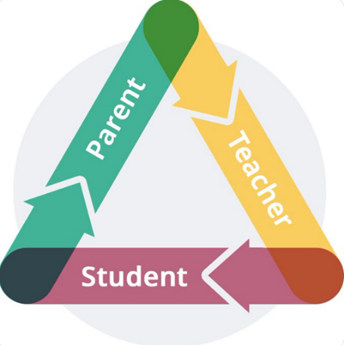
Education is most effective when there is a strong partnership between home, school and the student. Research from the Education Endowment Foundation suggests that when parents and carers, schools and students work together, it can accelerate a student's progress by the equivalent of up to five additional months of learning.
As a parent or carer, you can help by: |
As a student, you can improve your attendance by: |
||
|---|---|---|---|
|
|
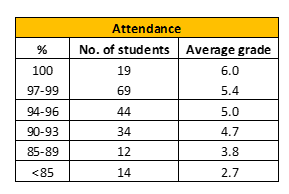
The Correlation Between Attendance and Outcomes at Gateway Academy Summer 2025:
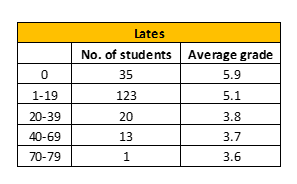
The Correlation between Punctuality and Outcomes at Gateway Academy Summer 2025:
Link: https://drive.google.com/file/d/14iCZvOatWifr4YE3aBGHLL5gmmzg5tR-/view?usp=drive_link
What do I do if my child is not well enough to come to school?
|
Dedicated Absence Line: |
|
|
Reporting Time: |
|
|
Proof of appointment |
|
|
Daily Notification: |
|
|
Appointment Notification: |
|
Higher qualifications are associated with higher average earnings over a lifetime. On average, people with degree-level qualifications earn more than those with GCSEs alone, who in turn earn more than those with no formal qualifications.
Average earnings (Office for National Statistics)
| Highest qualification | Typical annual earnings |
| No formal qualifications | £23,500–£24,000 |
| GCSEs (or equivalent) | £27,000–£30,000 |
| Bachelor's degree | £42,000 |
| Postgraduate degree | £52,000 |
If you have any concerns about your child's attendance, we encourage you to contact us as soon as possible. Our dedicated Attendance Team is here to support both students and families, working together to identify any barriers to regular attendance and find appropriate solutions. Students whose attendance falls below 97% are monitored closely to ensure they receive timely support. In addition, each year group is supported by a Lead Coach, who can provide targeted guidance and work in partnership with students and families to help improve attendance and ensure every child has the best opportunity to succeed.